
Headend IPTV Solutions for Reliable Streaming in the US
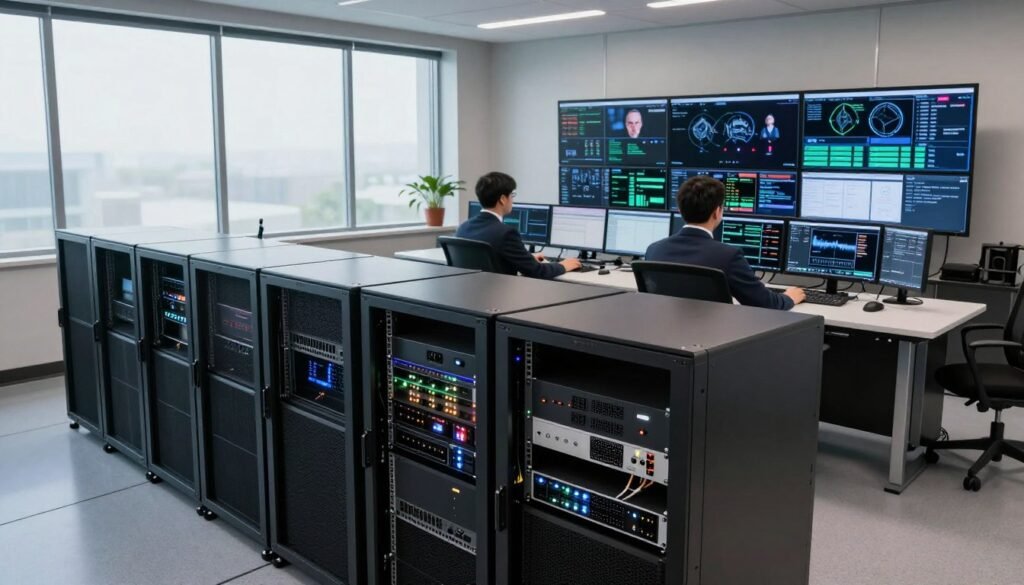
In today’s fastpaced digital landscape, businesses across the country require robust infrastructure to maintain highquality video delivery. Choosing the right headend iptv architecture is the first step toward ensuring your network remains competitive and efficient. By investing in professional-grade hardware, organizations can guarantee a seamless experience for their end users. Our comprehensive guide explores how reliable IPTV streaming serves as the backbone for modern media distribution. We provide actionable insights into building scalable systems that grow alongside your operational demands. Discover how top-tier US IPTV solutions can transform your content delivery strategy while minimizing downtime and maximizing performance. Key Takeaways Build a More Reliable Video Delivery Strategy with Headend IPTV A centralized approach to video management transforms how content reaches your audience across the United States. By moving away from disjointed hardware, organizations can ensure consistent signal quality and improved operational control. Implementing a professional headend iptv strategy is the first step toward achieving a seamless viewing experience. What a modern headend IPTV system does A modern IPTV headend system acts as the central nervous system for your video network. It consolidates content acquisition from satellite, terrestrial, and IP sources into a single, manageable stream. This process includes encoding, transcoding, and organizing channels to ensure they are ready for distribution across your local or wide-area network. Beyond simple delivery, these systems provide essential tools for monitoring and security. They allow administrators to manage content rights and ensure that only authorized users access premium programming. By centralizing these tasks, you reduce the complexity of managing multiple disparate video sources. Why US businesses are replacing fragmented video workflows Many US organizations currently struggle with legacy systems that are difficult to maintain and prone to failure. Fragmented workflows often lead to inconsistent picture quality and frequent downtime, which can frustrate viewers. Replacing these outdated setups with integrated headend solutions provides the stability required for modern digital environments. Professional engineering offers greater operational visibility, allowing teams to identify and resolve issues before they impact the end user. This shift toward a unified platform simplifies maintenance and lowers long-term costs. It also provides the flexibility to scale your video services as your organization grows. Who benefits from a professionally designed IPTV headend A wide range of industries relies on high-quality video to communicate, entertain, and educate. A well-designed headend iptv setup ensures that content is delivered reliably, regardless of the scale of the deployment. Hotels, resorts, and multifamily properties Hospitality and residential providers use these systems to offer a premium television experience. Guests and residents expect high-definition content and a user-friendly interface that mimics their home streaming services. Healthcare, education, and corporate facilities These sectors require secure and reliable video for internal communications, training, and patient education. A robust IPTV headend system ensures that critical information reaches the right screens without interruption. Broadcasters, service providers, and commercial venues For these entities, video is the core product. They utilize advanced headend solutions to manage complex channel lineups and ensure maximum uptime for live events and public broadcasts. How Headend IPTV Technology Delivers Content from Source to Screen Delivering content across diverse networks requires a precise sequence of acquisition, processing, and distribution. This complex journey ensures that viewers receive high-quality video regardless of their location or device. By leveraging advanced headend technology, organizations can maintain total control over their media workflows. Content acquisition from broadcast, satellite, and IP sources The process begins by capturing signals from various origins, including satellite dishes, terrestrial antennas, and direct IP feeds. A professional headend broadcast setup aggregates these inputs into a unified stream. This stage is critical for ensuring the integrity of the original signal before it undergoes further processing. Encoding, transcoding, and adaptive bitrate preparation Once acquired, raw video must be converted into formats suitable for digital transmission. Encoding and transcoding allow the system to compress files while preserving visual fidelity. Furthermore, adaptive bitrate preparation ensures that the stream adjusts dynamically to the viewer’s available bandwidth, preventing annoying playback interruptions. Multiplexing, middleware, and channel organization After processing, the data is multiplexed into a single transport stream for efficient delivery. Middleware acts as the intelligent brain of the system, managing user authentication and channel navigation. This layer organizes content into logical lineups, making it easy for end-users to find their favorite programs. Distribution through managed networks, LANs, WANs, and the public internet The final stage involves pushing the signal to the end-user through various network infrastructures. Whether utilizing a private LAN or the public internet, the goal is to maintain IPTV content delivery standards. Robust distribution strategies ensure that the signal remains stable across different geographic regions. Linear television delivery Linear services provide a traditional viewing experience where content is broadcast on a set schedule. This remains a cornerstone of iptv deployments for hospitality and enterprise environments. It offers a familiar interface that requires minimal user effort to navigate. Video-on-demand and catch-up programming Modern systems also support on-demand libraries and catch-up features. These services allow users to watch content at their convenience, significantly increasing viewer engagement. By storing assets centrally, the headend ensures that high-demand media is always available for instant playback. Web, mobile, and connected-device access Finally, the system must support a wide array of endpoints, including smartphones, tablets, and smart TVs. By utilizing flexible iptv protocols, the headend ensures a consistent experience across all platforms. This multiscreen capability is essential for meeting the expectations of today’s mobile-first audience. Headend IPTV Architecture for Scalable Streaming Operations A reliable headend system serves as the backbone for any professional-grade video deployment. Choosing the right framework ensures that your content reaches viewers with minimal latency and maximum clarity. By selecting a scalable IPTV architecture, businesses can adapt to changing market demands without needing a complete infrastructure overhaul. Centralized, distributed, and hybrid headend designs Organizations often choose between centralized, distributed, or hybrid models based on their specific geographic footprint. A centralized design consolidates all processing power in one location, which simplifies management but requires robust backhaul connectivity. Conversely, a distributed model places processing closer to the edge, reducing bandwidth strain on the core network. Many modern enterprises now opt for a hybrid approach to balance these benefits. This strategy allows for centralized control of content rights while utilizing local edge nodes for high-traffic delivery. The following table highlights the primary differences between these deployment models: Architecture Type Best For Management Complexity Bandwidth Efficiency Centralized Single-site operations Low Moderate Distributed Multi-site, large scale High High Hybrid Enterprise/Campus Moderate […]
IPTV Headend: The Complete Guide to Modern IPTV Systems (2026)
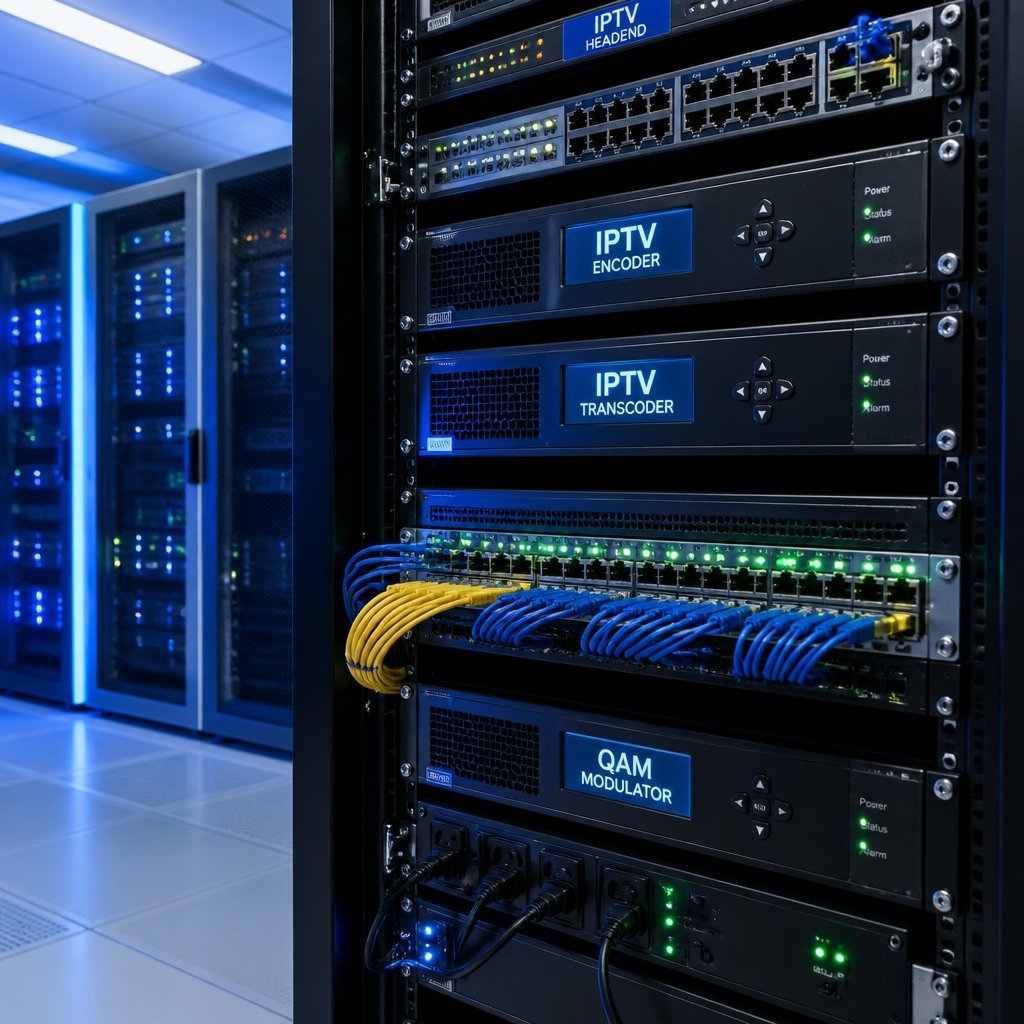
Introduction An IPTV Headend is the technical heart of every IPTV service. It is the system that takes raw television signals — from satellite, cable, or terrestrial sources — and converts them into digital streams that can travel across IP networks to reach viewers on smart TVs, set-top boxes, and mobile apps. For any IPTV […]